How I Chose Which Medical Schools to Apply To
Table of Contents
One of the most overwhelming parts of the medical school application process is deciding where to apply. There are so many schools out there, each with different requirements, missions, locations, and costs. When I first started applying, I honestly had no idea where to begin.
In this post, I want to talk about how I approached building my school list, what resources I used, and what I would do differently if I could go back and apply again.
Understanding TMDSAS vs. AMCAS
Before you even start researching schools, it’s important to understand the two major application systems.
The first is TMDSAS, which is used for Texas based public medical schools. The second is AMCAS, which is used for most allopathic (MD) medical schools nationwide outside of Texas. The third is AACOMAS, which is used for osteopathic (DO) medical schools.
If you are a Texas resident, I highly, highly recommend applying to all of the Texas medical schools through TMDSAS. One of the biggest advantages of TMDSAS is that you pay a single application fee of $235 and can apply to all participating Texas schools. Since you’re already paying the fee, you might as well maximize your opportunities and increase your chances of receiving an interview.
How I Built My School List
I applied to both Texas and out-of-state schools. Although I ultimately ended up attending a Texas medical school, there is definitely a strategy when it comes to building your school list.
I recommend creating three categories:
- Safety schools
- Target schools
- Dream schools
This helps ensure that you’re applying broadly while still including schools that you’re genuinely excited about.
For my subscribers, I’ll be sharing the Excel spreadsheet I created during my own application cycle. The template is already organized—you simply need to research each school and fill in the information. I’ll talk more about what information to include later in this post.
Excel Sheet:
The Resource I Used Most: MSAR
One of the questions I hear most often is:
“How do I even find schools?”
When you’re applying for the first time, it can feel overwhelming. You may be wondering:
- What schools are out there?
- What GPA do they accept?
- What MCAT scores are competitive?
- Is it an MD school or a DO school?
- How large is the class size?
- Where is the school located?
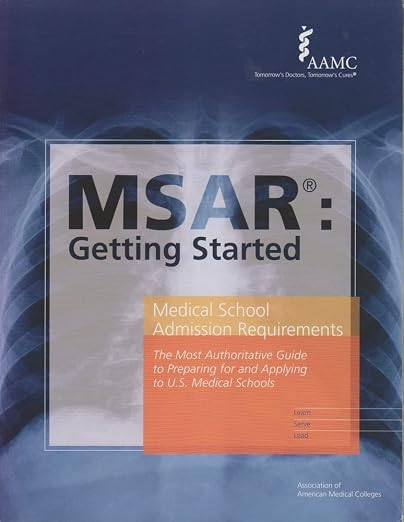
The resource I used the most was the Medical School Admission Requirements (MSAR) database provided by the AAMC (Association of American Medical Colleges), which is also the organization that manages the AMCAS application.
MSAR includes information such as:
- Average GPA
- Average MCAT score
- Class size
- Location
- Admissions statistics
- Mission statements
All of these factors are important when deciding where to apply.
Personally, I paid a lot of attention to each school’s reputation and overall fit. I didn’t do many campus tours, so much of my impression came from researching schools online and later experiencing the interview process. I’ll be writing another blog post about interviews because that played a huge role in shaping my opinion of different schools.
The MSAR currently costs about $33 for a one-year subscription. If that’s expensive for you, you might consider splitting the cost with a group of friends who are also applying.
Factors to Consider When Choosing Schools
Everyone’s priorities are different.
For some people, location is extremely important. Maybe your family lives in Texas and you want to stay close to home. Maybe you have a support system in a specific city.
You should also be realistic about your GPA and MCAT scores. Medical school admissions are extremely competitive, and it’s important to apply to schools where your academic metrics are reasonably aligned with their accepted student profile.
At the same time, don’t be afraid to include a few reach schools if they’re places you’re genuinely interested in attending.
What I Would Do Differently
Looking back, one thing I would change is being more strategic about out-of-state applications.
If you are a Texas resident, I highly recommend taking advantage of Texas residency. The difference between in-state and out-of-state tuition can be enormous. In many cases, out-of-state tuition can be several times more expensive than in-state tuition.
At the end of the day, you’re still earning a medical degree. Where you attend matters much less than many applicants initially think.
One mistake I made was applying to a large number of out-of-state schools without being particularly selective. Unlike TMDSAS, where you pay one application fee, AMCAS charges application fees based on the number of schools you apply to. Those costs add up very quickly.
I believe I applied to around 30 schools through AMCAS, and honestly, I didn’t receive a single acceptance from an out-of-state school. Looking back, I probably could have saved a significant amount of money by applying more strategically.
Free Tuition Medical Schools
There are a handful of medical schools that offer free tuition programs or significant scholarship opportunities. These schools can be incredible opportunities, but they are also extremely competitive.
I’ll be making a separate blog post dedicated to medical schools that offer free tuition, as well as tips for researching scholarship opportunities. Click here to read more.
I also have a compiled list of out-of-state-friendly medical schools that may be particularly useful for Texas applicants who are considering submitting an AMCAS application. Subscribe today to gain access!
Final Thoughts
Choosing where to apply can feel overwhelming, but you don’t have to figure it all out at once.
Start by understanding the application systems, use resources like MSAR to research schools, be realistic about your academic profile, and think carefully about your financial situation. Most importantly, don’t underestimate the value of being a Texas resident if you have access to the TMDSAS system.
Looking back, I probably spent too much money applying broadly through AMCAS and not enough time thinking strategically about where I would realistically fit. Hopefully, by sharing my experience, I can help you avoid some of the mistakes I made and make the application process a little less stressful.