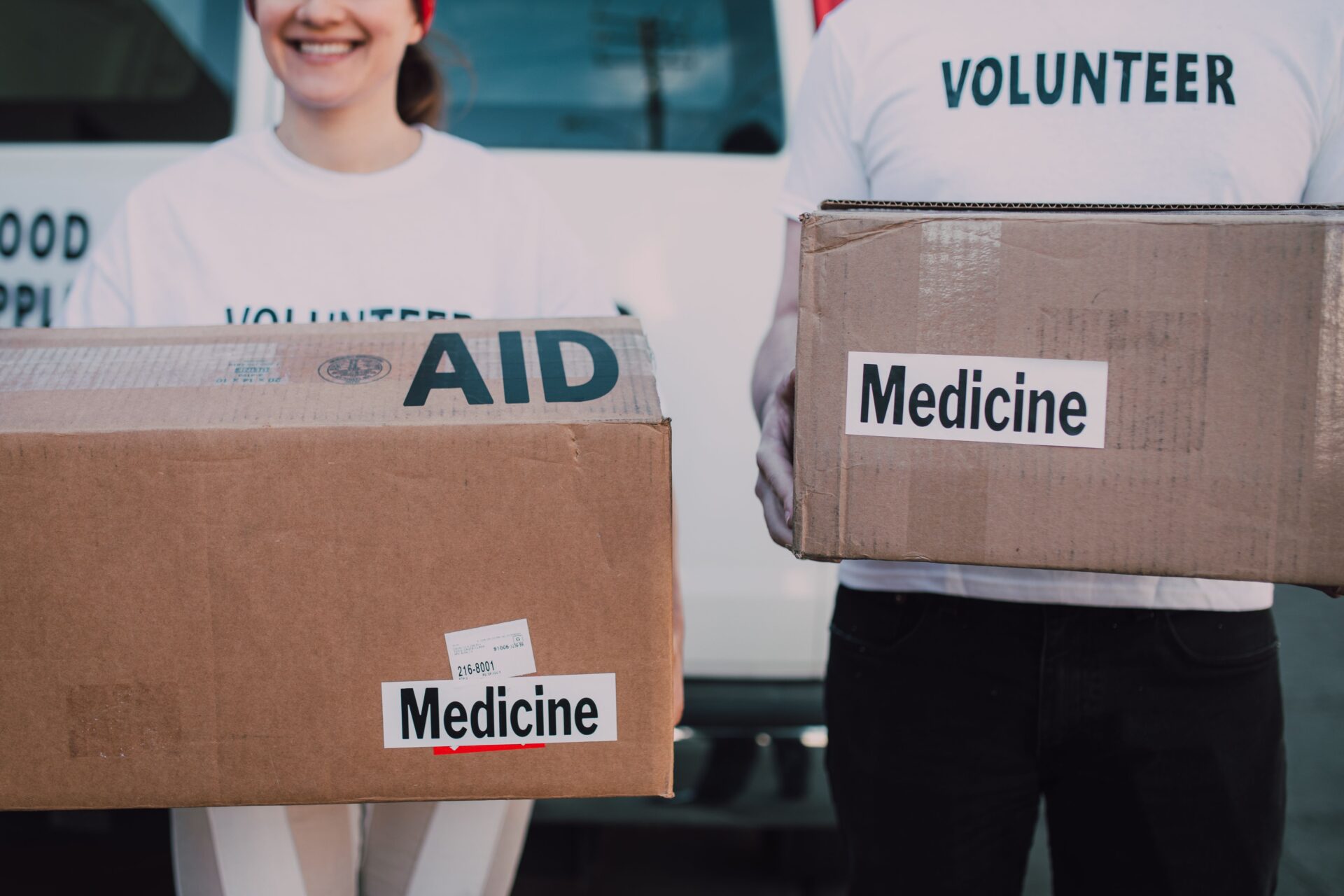
Volunteering Opportunities for Premed Students (Non-Clinical and Clinical)
Table of Contents
One of the questions I get asked all the time is:
“What kind of volunteering should I do as a premed?”
And honestly, there isn’t one perfect answer.
Medical schools want to see that you’re committed to serving others, but there are countless ways to demonstrate that. You don’t need to volunteer at a hospital every weekend or join the exact same organizations as everyone else. What matters most is finding opportunities that are meaningful to you and sticking with them.
In this post, I wanted to share some of the volunteer experiences I participated in during college, what I learned from them, and a few ideas for students who are looking for ways to get involved.
Non-Clinical Volunteering
When people think about volunteering for medical school, they often immediately think of hospitals and clinics. However, not all volunteering has to take place in a healthcare setting.
There are many ways to make a difference in your community while developing skills that will make you a better future physician.
Some examples include:
- Helping Hand Home for Children
- Habitat for Humanity
- Soup kitchens
- Translators Without Borders
These opportunities allow you to work with diverse populations and better understand the needs of different communities. Volunteering doesn’t always have to be medicine-related to be meaningful.
Out of these examples, the main non-clinical volunteer experiences I participated in were Crisis Text Line. While there are many different ways to get involved, these were the opportunities that were most meaningful to me.
Clinical Volunteering
If you’re interested in medicine, it’s also important to gain exposure to healthcare settings.
Some common clinical volunteering opportunities include:
- Free healthcare clinics
- Hospitals
- Hospice organizations
- Nursing homes
These experiences allow you to interact with patients and gain a better understanding of healthcare environments. They can also help you determine whether medicine is truly the right career path for you.
One piece of advice I have is to look into opportunities offered through your university. Some colleges operate free clinics that accept undergraduate volunteers, and if your school offers something similar, I highly encourage you to apply. These clinics often provide excellent exposure to patient care and allow students to work alongside healthcare professionals.
I also volunteered at Ascension Seton during college. My responsibilities included taking patient calls, helping at the front desk, restocking towels and gowns, serving meals, and assisting patients when they needed help.
To be honest, there are limits to what undergraduate volunteers can do in a hospital. You’re not diagnosing patients or performing procedures. But that doesn’t mean the experience isn’t valuable. For me, it was my first real exposure to the hospital environment and gave me a better understanding of what a future career in healthcare might look like.
Crisis Text Line: The Most Challenging Volunteer Experience I Had
One of the most unique volunteer experiences I had during college was volunteering with Crisis Text Line.
This opportunity is completely online and involves responding to text messages from individuals experiencing emotional distress or suicidal thoughts. Volunteers are trained to help de-escalate situations and connect texters with appropriate resources.
The training program was approximately 15 hours, and honestly, almost anyone can volunteer for it. They are always looking for additional volunteers, so this is an opportunity I highly recommend.
That being said, this was also one of the most emotionally challenging volunteer experiences I participated in.
Many of the texters were dealing with traumatic situations, suicidal thoughts, abuse, family conflict, loneliness, or overwhelming emotional distress. As someone who is naturally very empathetic, I found myself becoming deeply invested in many of the conversations.
One thing I learned pretty quickly is that you can’t “fix” someone’s situation in a single conversation.
Often, the best we could do was listen, validate their feelings, and help them identify coping strategies. It was heartbreaking at times to realize how many people were struggling with difficult situations and felt like they had nowhere else to turn.
At the same time, this experience taught me some of the most important skills I will carry with me into medicine.
As future physicians, we spend a lot of time focusing on the science of medicine. But medicine is also deeply human. Patients want to feel heard. They want someone who listens and genuinely cares about what they’re going through.
This experience taught me the importance of active listening, empathy, and compassion. It showed me that sometimes people don’t need you to solve their problems—they just need someone willing to listen.
What I learned: Sometimes the most meaningful thing you can do for someone is simply be present and listen.
Although this opportunity required a significant time commitment, I gained so much from it. If you’re looking for a meaningful way to serve others and make an impact, I highly recommend Crisis Text Line.
I personally counted this under non-clinical volunteering because the individuals reaching out were not patients in a healthcare setting. However, the communication skills I developed through these conversations have been incredibly valuable.
Hearts for the Homeless: My Introduction to Community Health
Another volunteer experience I really enjoyed was Hearts for the Homeless.
Through this program, we provided blood pressure screenings and health education for members of the homeless community. It was a great opportunity to combine community service with healthcare exposure while serving an underserved population.
During college, we met weekly at a church to provide free blood pressure screenings and glucose screenings. We were trained to perform finger-stick glucose checks, and if someone’s results were concerning, we referred them to local free clinics where they could receive additional care.
This was honestly one of the first experiences that opened my eyes to healthcare disparities.
Not everyone has equal access to healthcare. Something as simple as getting a blood pressure check isn’t always easy for everyone.
For many individuals we served, we may have been one of their first points of contact with the healthcare system before they sought care from a physician or hospital.
Many people had reservations about seeing a doctor, whether due to cost, transportation, previous experiences, or other barriers. It made me realize how important preventive care and community outreach can be.
What I learned: Preventive care only works if people can actually access it.
Looking back, I hope that even in a small way, I was able to contribute to improving health awareness within the community.
Nursing Home Volunteering: One of My Favorite Experiences
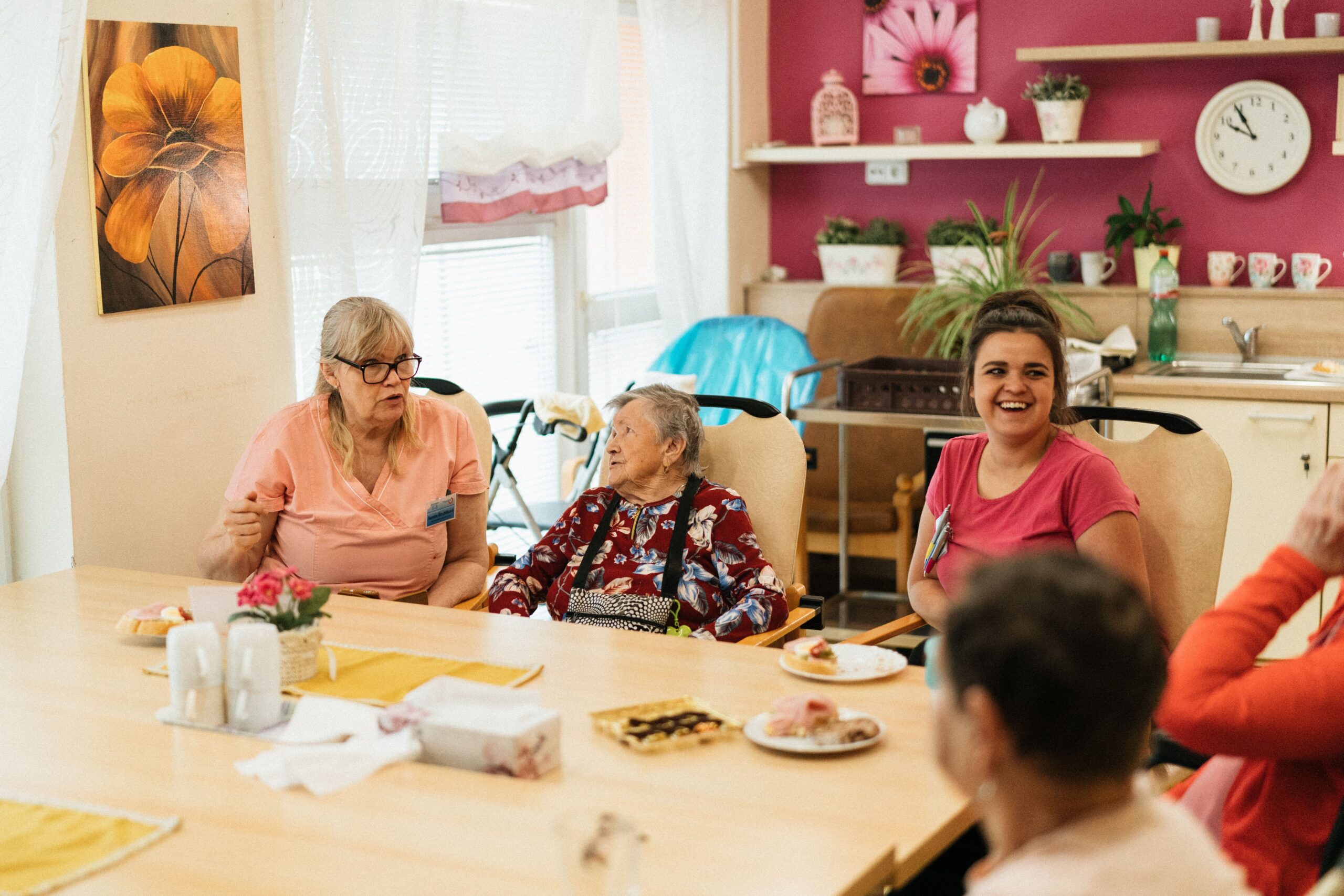
I also spent time volunteering in nursing homes, and looking back, this was probably one of my favorite volunteer experiences during college.
One organization I participated in was called the Brain Exercise Initiative (BEI).
Through this program, we visited nursing homes and worked with residents through activities designed to keep their minds active and engaged.
Many residents were already experiencing symptoms of dementia, and the goal of the program was to encourage cognitive stimulation through regular social interaction and mental exercises.
During our visits, we would do simple math exercises, participate in discussions, and engage in activities that encouraged residents to use their memory and critical thinking skills.
We also spent time painting, coloring, and simply getting to know the residents and their life stories.
One of my favorite parts of volunteering was hearing about their experiences and building relationships with them over time. Every resident had a unique story to tell.
What surprised me most was how much I enjoyed these visits. They became a great way to step away from studying for a few hours and connect with people outside of the academic bubble.
What I learned: Human connection is sometimes just as important as medical treatment.
Sometimes the most meaningful thing we could do was simply sit down, listen, and spend time with someone.
Final Thoughts
If I could go back and give freshman-year me one piece of advice, it would be this:
Don’t spend all your time looking for the “perfect” volunteer activity.
Instead, find something you genuinely care about and stick with it.
Whether you’re building houses through Habitat for Humanity, helping individuals in crisis through Crisis Text Line, volunteering at a clinic, or working with underserved populations, every experience can teach valuable lessons about empathy, communication, service, and leadership.
Trust me, admissions committees can usually tell when you’re doing something just to check a box.
The experiences that make the biggest impact on your application—and on your personal growth—are usually the ones that you genuinely enjoy and care about.
The most important thing is to get involved early, stay consistent, and choose activities that align with your interests and values.
At the end of the day, volunteering isn’t just about becoming a stronger medical school applicant.
It’s about becoming a more compassionate, empathetic, and well-rounded person.
And those are qualities that will serve you well long after you’ve submitted your medical school application.